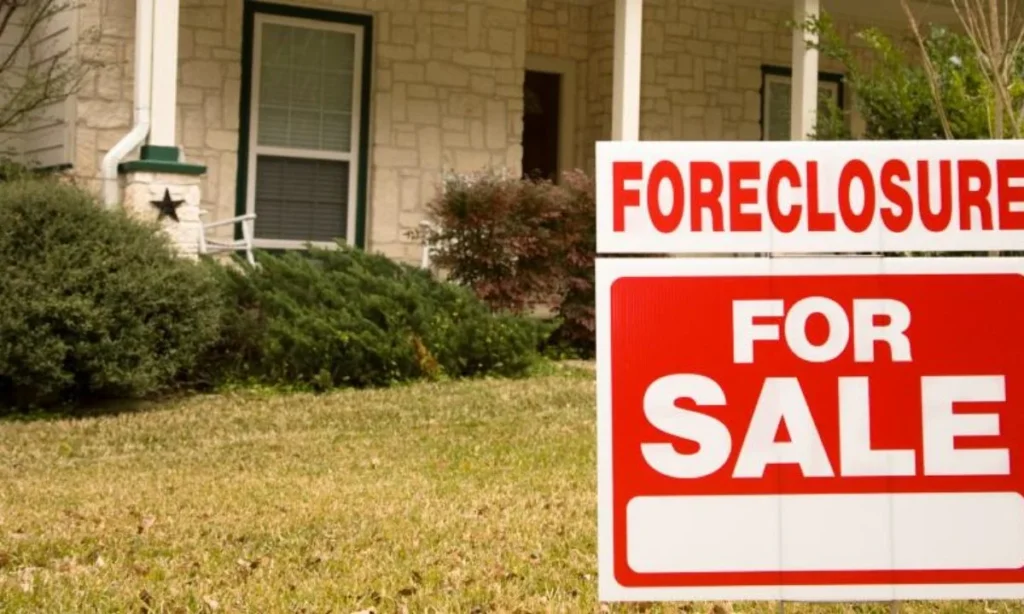

Selling a home is a major financial milestone, but your final payout is rarely as simple as the agreed-upon sale price. When that offer is accepted and the “SOLD” sign goes up in the yard, many sellers are caught off guard by the substantial fees deducted at the closing table.
Typically, sellers can expect to pay between 8% and 10% of the home’s final sale price in closing costs and commissions. If you are selling a $500,000 home, that means up to $50,000 could be deducted from your proceeds. Without a clear understanding of where this money goes, you risk being blindsided and making costly financial errors.
This comprehensive guide provides seller closing costs explained in detail. We will break down the standard fees, analyze state-by-state variations, discuss who is responsible for which expenses, and provide strategies to maximize your net proceeds. Whether you are a seasoned investor or a first-time home seller, understanding these costs is essential for accurate financial planning.
Seller Closing Costs Explained: The Basics
Closing costs are the various fees, taxes, and expenses required to finalize a real estate transaction. While both buyers and sellers incur closing costs, the seller’s portion is typically much larger because it includes the real estate commission fees for both agents.
When we look at seller closing costs explained, the expenses generally fall into three categories:
- Professional Service Fees: Real estate commissions, attorney fees, and escrow fees.
- Government Taxes and Fees: Real estate transfer taxes, recording fees, and property tax prorations.
- Title and Lender Requirements: Title insurance policies, lien payoffs, and sometimes buyer-mandated repairs or home warranties.
It is important to note that closing costs are not a flat rate; they are heavily influenced by your geographic location, the sale price of the home, and the specific terms negotiated in the purchase agreement.
The Big Three: Major Expenses for Home Sellers
To truly understand your financial obligation, we must break down the three most significant costs a seller will face at closing.
1. Real Estate Commission Fees
Historically, the real estate commission was the largest single closing cost for a seller, typically totaling 5% to 6% of the sale price. This fee was traditionally split evenly between the seller’s listing agent and the buyer’s agent.
Following the 2024 National Association of Realtors (NAR) settlement, the way commissions are handled has shifted toward greater transparency and negotiability. While commissions are no longer automatically advertised on the Multiple Listing Service (MLS), sellers still typically offer to pay the buyer’s agent commission to attract a larger pool of buyers.
When getting seller closing costs explained, you must factor in a total commission of around 4% to 5% in today’s market, depending on how you negotiate with your listing agent. To understand how recent legal changes impact your bottom line, read our detailed guide on real estate agent commission laws after the NAR settlement.
2. Title Insurance Policy
Title insurance protects the new owner (and their lender) against financial loss from defects in the title, such as outstanding liens, encumbrances, or ownership disputes.
There are two types of title insurance: the Owner’s Policy and the Lender’s Policy. In most U.S. states, the seller is required to pay for the buyer’s Owner’s title insurance policy to guarantee they are passing a “clean” title. The cost of title insurance varies wildly by state, ranging from 0.5% to 1% of the purchase price.
3. Real Estate Transfer Taxes
Whenever real estate changes hands, local and state governments want their cut. Real estate transfer taxes (also known as documentary stamp taxes or excise taxes) are levied based on the property’s sale price.
The rate varies dramatically. For example, in Pennsylvania, the state transfer tax is 1%, while in New York, it can be up to 2% for properties over $1 million (plus an additional “mansion tax” paid by the buyer). In some states, like Texas and Utah, there is no state-mandated transfer tax at all, though local municipalities may charge a small fee.
Who Pays Closing Costs? Breaking Down the Responsibilities
A common question from homeowners is, “Who pays closing costs?” The short answer is: both parties, but the seller bears the brunt of it.
Standard Seller Responsibilities
As the seller, you are generally responsible for:
- Paying the real estate commission for both agents (if agreed upon in the contract).
- Providing and paying for the owner’s title insurance policy.
- Paying state and local real estate transfer taxes.
- Clearing any existing liens on the property (e.g., your remaining mortgage balance, unpaid property taxes, or mechanic’s liens).
- Prorated property taxes and HOA dues up to the date of closing.
Standard Buyer Responsibilities
The buyer typically pays for:
- Lender-related closing costs (loan origination fees, appraisal fees, discount points).
- The lender’s title insurance policy (protecting the bank).
- Home inspection fees.
- First-year homeowners insurance premium.
- Recording fees for the new deed and mortgage.
Negotiating Seller Concessions
In a buyer’s market, buyers often ask for seller concessions—a request for the seller to cover a portion of the buyer’s closing costs to help them afford the transaction.
If you agree to a seller concession, you are essentially adding that amount to your closing costs. For example, if you agree to a $500,000 sale price but offer a 3% ($15,000) seller concession to cover the buyer’s closing costs, your net proceeds will be reduced by that $15,000. Concessions are capped by the buyer’s loan type (FHA, VA, Conventional), so it is vital to consult your real estate agent before agreeing to these terms.
State-by-State Variations in Seller Closing Costs
Because real estate law is dictated at the state and local levels, there is no universal standard for how closing costs are divided. Having seller closing costs explained requires looking at specific regional quirks.
High-Cost States for Sellers
- New York: Sellers in New York face hefty transfer taxes. In New York City, sellers pay a state transfer tax of 0.4% and a city transfer tax ranging from 1% to 1.425%. Additionally, if the sale price is over $1 million, the buyer pays a 1% “mansion tax,” but sellers often end up absorbing this cost indirectly through negotiations.
- California: California charges a documentary transfer tax of $0.55 per $500 of the sale price (effectively 0.11%). However, local cities and counties often tack on additional fees. Furthermore, California imposes strict natural hazard disclosure requirements, which sellers must pay for.
- Florida: Florida charges a documentary stamp tax of $0.70 per $100 of the sale price (0.7%), which is typically paid by the seller. In Miami-Dade County, the rate is $0.60 per $100, plus an additional surtax.
Low-Cost States for Sellers
- Texas: Texas is unique because it does not have a state real estate transfer tax. However, title insurance in Texas is highly regulated and can be slightly more expensive than in other states.
- Missouri and Indiana: In many Midwestern states, the buyer traditionally pays for the owner’s title insurance policy, significantly reducing the seller’s closing costs.
- Oregon: Oregon has relatively low transfer taxes (often capped at $1 per $1,000 of value, but only in specific counties that have adopted the tax), making it more affordable for sellers at the closing table.
To get a localized estimate, it is always best to consult a local title company or an experienced real estate agent. You can also use a reliable net proceeds calculator to plug in your state-specific variables.
Additional Seller Closing Costs to Anticipate
Beyond the big three (commissions, title, and taxes), several smaller fees can nibble away at your net proceeds. A thorough breakdown of seller closing costs explained must include these often-overlooked expenses:
1. Escrow and Attorney Fees
An escrow company or real estate attorney acts as a neutral third party to handle the funds and legal documents during the transaction. The escrow fee is typically split 50/50 between the buyer and seller, but in some states (like California), the parties customarily split it based on who pays for the title insurance. If you live in an “attorney state” (like New York or Georgia), you will need to hire a real estate attorney to draft the contract and oversee the closing, which can cost $1,000 to $2,500.
2. HOA Transfer Fees
If your property is part of a Homeowners Association (HOA), the HOA will charge a transfer fee to update their records and provide the buyer with the CC&Rs (Covenants, Conditions, and Restrictions). The seller usually pays this fee, which can range from $100 to $500.
3. Home Warranty
In many markets, sellers offer to pay for a one-year home warranty to give the buyer peace of mind against major system failures (like the HVAC or water heater). A home warranty typically costs between $400 and $600.
4. Payoff of Existing Mortgage and Lines of Credit
Your largest deduction at closing will be the payoff of your existing mortgage. You must request a formal “payoff statement” from your lender, which includes the remaining principal balance plus any accrued interest and prepayment penalties (if applicable). If you have a Home Equity Line of Credit (HELOC), it must also be paid off and closed.
5. Property Tax Prorations
Property taxes are prorated to the exact date of closing. If you prepaid your property taxes for the year, you would receive a credit at closing, effectively reimbursing you for the months the buyer will own the home. Conversely, if your taxes are unpaid, the amount will be deducted from your proceeds to pay the bill.
6. Recording Fees and Courier Fees
Local governments charge a fee to record the new deed and release the old mortgage. There are also small fees for courier services to send payoff checks and documents overnight.
How to Calculate Your Net Proceeds
To avoid being surprised at the closing table, you should calculate your net proceeds before you even list your home. Here is the basic formula:
Sale Price – Real Estate Commission Fees – Mortgage Payoff Amount – Transfer Taxes – Title Insurance Policy (Owner’s) – Escrow/Attorney Fees – Prorated Property Taxes – Seller Concessions (if any) – Miscellaneous Fees (HOA, Warranty, Courier) = Net Proceeds
At Countrywide Collective, we pride ourselves on transparency. We provide our clients with a customized “Seller’s Net Sheet” during the listing consultation so there are no surprises. If you are planning to sell, you can contact our team for a free, no-obligation property valuation and closing cost estimate.
Strategies to Reduce Seller Closing Costs
While closing costs are a necessary part of the transaction, there are legal and ethical ways to minimize them.
1. Negotiate the Commission
As mentioned earlier, real estate commissions are fully negotiable. Don’t be afraid to interview multiple agents and negotiate a lower listing commission. At Countrywide Collective, we offer full-service listings at 2.5% (negotiable), which can save you thousands compared to traditional 3% listing fees.
2. Compare Title Companies
In some states, sellers have the right to choose the title company. Because title insurance rates are regulated in many states, the base premium is the same. However, the “add-on” fees (search fees, courier fees, e-recording fees) can vary. Always ask for a “fee sheet” from the title company to compare the junk fees.
3. Limit Seller Concessions
In a strong seller’s market, you can often negotiate the purchase agreement without offering any seller concessions. If the buyer asks for closing cost assistance, counter-offer by raising the sale price slightly to offset the concession, allowing the buyer to finance the closing costs over the life of the loan rather than paying for it out of your equity.
4. Close at the End of the Month
Prepaid interest is a major closing cost for buyers. By closing at the end of the month, the buyer’s prepaid interest is lower, which might reduce their need for seller concessions. Furthermore, your own mortgage payoff interest stops accruing sooner, saving you money.
Tax Implications of Selling Real Estate
When getting seller closing costs explained, it is impossible to ignore the tax implications. While closing costs are deducted from your proceeds, not all of them are tax-deductible.
Generally, you cannot deduct closing costs like title insurance, transfer taxes, or escrow fees from your taxable income. However, certain costs can be added to your home’s “basis” (the original purchase price plus capital improvements). Increasing your basis reduces your capital gains tax liability when you sell.
If you sell your primary residence and have lived in it for at least two of the last five years, you can exclude up to $250,000 of profit from capital gains taxes ($500,000 if married filing jointly). For a deep dive into how selling affects your tax burden, review our comprehensive homeowner tax deductions guide.
Conclusion: Maximizing Your Net Proceeds
Understanding your financial obligations is the key to a successful home sale. While the 8% to 10% deduction in closing costs may seem daunting, knowing where the money goes allows you to plan effectively, negotiate intelligently, and maximize your net proceeds.
From real estate commission fees and title insurance policies to state-mandated transfer taxes, every line item on your closing statement is negotiable or controllable to some degree. By partnering with a transparent, experienced real estate platform like Countrywide Collective, you can navigate these complexities with confidence.
Ready to sell your home and want to know your exact net proceeds? Contact Countrywide Collective today. Our team of experts will provide a comprehensive net sheet, handle the negotiations, and ensure you keep as much of your hard-earned equity as possible.