
Buying a home is likely the largest financial investment you will ever make. Yet, many buyers fall in love with a property’s fresh paint and staged furniture, completely overlooking the structural, electrical, and mechanical bones of the house. This is where the home inspection contingency becomes your most powerful protective shield.
In today’s fast-paced real estate market, buyers often feel pressured to waive contingencies to make their offers more appealing. However, skipping the inspection phase is a massive financial gamble. A seemingly perfect home can harbor tens of thousands of dollars in hidden defects, from failing foundations to outdated and dangerous electrical panels.
This comprehensive 2,000-word guide will walk you through everything you need to know about the home inspection contingency in 2025. We will explore the real estate inspection process, detail exactly what do home inspectors check (including modern technologies like EV chargers and smart locks), identify major deal-breakers, and provide expert strategies for home inspection negotiation.
What is a Home Inspection Contingency?
In real estate contracts, a contingency is a condition that must be met before a transaction can become binding. The home inspection contingency (often paired with an overall “due diligence” period) gives the buyer the right to hire a professional home inspector to evaluate the property’s condition.
If the inspector uncovers significant defects, the contingency allows the buyer to:
- Request that the seller make the repairs before closing.
- Negotiate a credit or price reduction to cover the cost of repairs.
- Walk away from the deal entirely with their earnest money deposit fully refunded.
Typically, this contingency lasts between 7 to 14 days from the date the purchase agreement is signed. The timeline can vary based on local market customs and negotiations between the buyer and seller.
The Real Estate Inspection Process: Step-by-Step
Understanding the real estate inspection process can alleviate much of the anxiety buyers feel. Here is what you should expect once your offer is accepted.
1. Hiring a Qualified Inspector
Not all inspectors are created equal. It is crucial to hire a licensed, certified professional. Look for inspectors who are members of recognized organizations like the American Society of Home Inspectors (ASHI) or the International Association of Certified Home Inspectors (InterNACHI). These organizations require members to adhere to strict standards of practice and continuing education.
2. The Physical Inspection
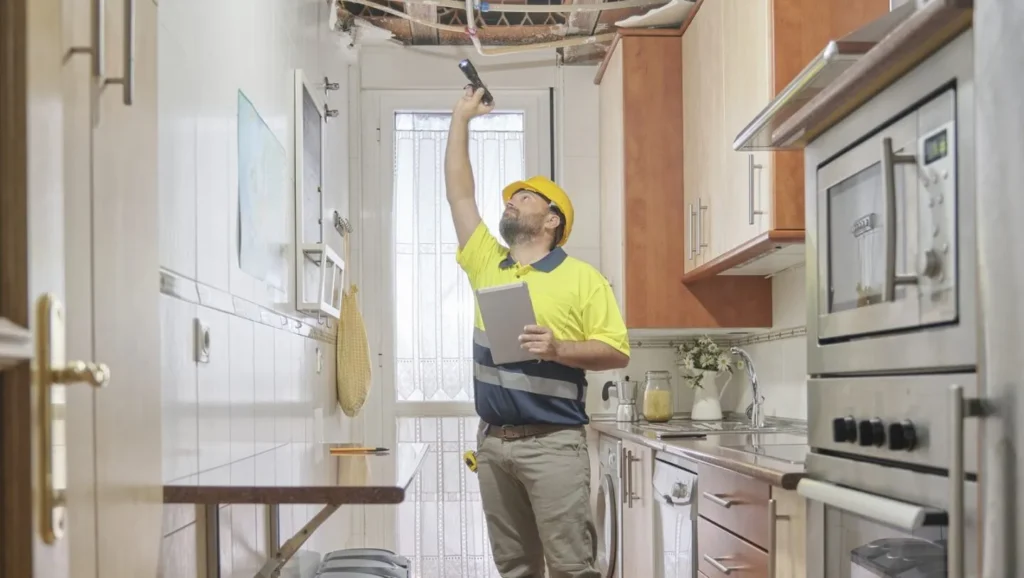
The inspection itself usually takes 2 to 4 hours, depending on the size, age, and condition of the home. As a buyer, you should always attend the inspection. Walking through the home with the inspector allows you to ask questions, understand the severity of any issues, and learn about the basic maintenance requirements of your new home systems.
3. The Inspection Report
After the physical inspection, the inspector will compile a detailed report. This report categorizes findings by system (roof, plumbing, electrical, etc.) and typically includes photographs, descriptions of the issues, and recommendations for repair or further evaluation by a specialist.
What Do Home Inspectors Check in 2025?
A common misconception is that home inspectors only look at the foundation and the roof. While those are critical, the scope of a modern inspection has expanded dramatically to keep pace with new technologies and environmental concerns. If you are utilizing a home inspection contingency, your inspector should evaluate the following:
Traditional Systems
- Structural Components: Foundation, framing, crawl spaces, and the attic. Inspectors look for signs of settlement, water intrusion, and wood-destroying insects.
- Roofing: The condition of shingles, flashing, gutters, and vent pipes. They estimate the remaining lifespan of the roof.
- Exterior: Siding, windows, doors, decks, and grading (ensuring the earth slopes away from the foundation to prevent basement flooding).
- Plumbing: Water heaters, pipes, drains, water pressure, and visible leaks.
- Electrical: Service panels, wiring, grounding, outlets (checking for GFCI protection), and light fixtures.
- HVAC: Heating, ventilation, and air conditioning systems. Inspectors test the functionality and assess the age and condition of the units.
Modern Additions: The 2025 Inspection Standard
As homes evolve, so do the inspection requirements. Today, a thorough inspection must account for modern installations that previous generations of inspectors didn’t have to consider.
- EV Charger Inspection: With the surge in electric vehicle ownership, Level 2 EV chargers are now a common feature in garages. However, incorrectly installed chargers are a major fire hazard. An inspector will verify that the charger is on a dedicated circuit, check the amperage rating against the breaker size, and ensure the installation complies with local electrical codes. If you are buying a home with an EV charger, this specific check is vital.
- Smart Home Inspection Risks: Smart locks, video doorbells, and integrated thermostats are ubiquitous. But do you know the smart home inspection risks? Inspectors now check for vulnerabilities, such as smart locks that fail to manually override during a power outage, or doorbells wired into transformers that are incompatible with their voltage requirements, posing a fire risk. Furthermore, inspectors will advise you to factory-reset all smart devices, as previous owners’ data and access codes may still be stored in the hardware.
- FEMA Flood Map Inspection: Climate change has drastically altered flood zones. A modern inspector will cross-reference the property address with updated FEMA flood maps. Even if the home is not in a designated high-risk zone, the inspector will assess the property’s topography and drainage to identify hidden flood risks. This is critical information for your insurance broker, as flood damage is not covered by standard homeowner’s insurance policies. You can verify flood zones directly using the FEMA Flood Map Service Center.
Home Inspection Deal Breakers: When to Walk Away
Most inspection reports will be 30 to 50 pages long and list dozens of minor issues (like a loose doorknob or a cracked outlet cover). These are normal wear-and-tear items. However, certain major defects constitute home inspection deal breakers—issues so severe or expensive that you should strongly consider invoking your home inspection contingency and walking away.
1. Foundation Failure
Hairline cracks in a foundation are common and usually nothing to panic about. However, horizontal cracks, stairstep cracks in brick veneer, or visibly shifting foundations indicate major structural failure. Foundation repairs can cost anywhere from $10,000 to $50,000+, and if left unaddressed, they will destroy the home’s resale value.
2. Knob and Tube or Aluminum Wiring
If the home was built before 1940, it might still have knob-and-tube wiring. If built between 1965 and 1973, it might have aluminum wiring. Both are considered severe fire hazards by modern insurance standards. Rewiring an entire home is a massive, invasive, and expensive project that often requires tearing into drywall and plaster.
3. Aging or Defective Roof
If the inspector determines the roof is at the end of its useful life (typically 20-25 years for asphalt shingles) and is actively leaking, it is a major red flag. A full roof replacement costs between $8,000 and $15,000+. If the seller refuses to negotiate, walking away is often the best financial decision.
4. Extensive Mold or Asbestos
While a home inspector is not a mold or asbestos remediator, they can identify the presence of suspicious materials. Extensive toxic mold in the HVAC system or asbestos wrap on basement pipes requires expensive professional remediation. If you want to understand the broader safety standards for these materials, the U.S. Consumer Product Safety Commission (CPSC) offers extensive guidelines on household hazards.
5. Major Plumbing or Sewer Line Failure
If the main sewer line connecting the home to the municipal street is collapsed or infested with tree roots, you could face $5,000 to $10,000 in trenching and replacement costs. A standard inspection checks visible plumbing; if your inspector suspects an issue, they will recommend a specialized sewer scope inspection.
Home Inspection Negotiation: Credits vs. Repairs
Once you have the inspection report, you must decide how to proceed. If there are significant issues, but you still want to buy the house, you will enter the home inspection negotiation phase. You have two primary options:
Option 1: Requesting Repairs
You can ask the seller to fix the issues before closing. While this seems ideal, it has drawbacks. Sellers are often cheap, rushing to get the deal done, and will hire the lowest-bid contractors to do the work. You also have little control over the quality of the repairs. If you go this route, ensure your contract stipulates that the work must be done by a licensed professional and verified by a re-inspection prior to closing.
Option 2: Requesting a Closing Credit (Price Reduction)
Instead of asking the seller to do the repairs, you ask for a credit at closing. This means the seller agrees to credit you a specific dollar amount, which is applied toward your closing costs. This reduces the amount of cash you need to bring to the table, allowing you to hire your own trusted contractors to do the work properly after you move in.
Pro Negotiation Tip: Focus on the big-ticket items. Do not nickel-and-dime the seller over a leaky faucet. Prioritize safety hazards (like electrical issues), structural concerns, and major system failures (HVAC, roof, plumbing). Present your requests logically, backed by the inspector’s photos and estimates. If you need to estimate costs for your negotiation, you can consult resources like HomeAdvisor’s True Cost Guide to back up your numbers.
How the NAR Settlement Impacts the Inspection Phase
Following the 2024 National Association of Realtors (NAR) settlement, the real estate transaction process has become more transparent. While the settlement primarily addressed commission structures, the overarching theme of buyer empowerment extends to due diligence.
Because buyers are now signing explicit buyer agency agreements that clearly outline their agent’s fiduciary duties, buyers have stronger leverage to insist on adequate due diligence periods. Your agent is legally bound to protect your interests, which means they should strongly advise you against waiving your home inspection contingency in competitive markets. For a deeper dive into how these new rules affect your transaction, review our guide on real estate agent commission laws after the NAR settlement.
Can You Waive the Home Inspection Contingency?
In extremely hot seller’s markets, some buyers waive the inspection contingency to make their offers “clean” and more attractive. This is incredibly risky.
If you waive the contingency and discover a cracked foundation the day after closing, you have zero legal recourse against the seller. You are 100% financially responsible for the repair.
If you absolutely must waive the contingency to win a bid, consider doing a “pre-offer inspection.” This involves hiring an inspector to do a quick, informal walk-through of the property before you submit your offer. While not as comprehensive as a full inspection, it can help you spot glaring red flags before you commit hundreds of thousands of dollars.
Conclusion: Protecting Your Investment
A home is a massive investment, and the home inspection contingency is your best opportunity to peek under the hood before finalizing the purchase. From traditional structural checks to modern evaluations of EV chargers and smart home vulnerabilities, a thorough inspection provides invaluable peace of mind.
Never let market pressure push you into skipping this critical step. Identify the home inspection deal breakers, negotiate necessary credits, and ensure you are fully aware of the property’s true condition. If you are preparing to sell a home and want to avoid last-minute negotiation hurdles, consider getting a pre-listing inspection to understand what buyers might find. You can also contact Countrywide Collective for expert guidance on navigating the buying and selling process with total confidence.
Frequently Asked Questions (FAQs)
What is the main purpose of a home inspection contingency?
The main purpose of a home inspection contingency is to protect the buyer. It allows the buyer to hire a professional to uncover hidden defects in the home. If major issues are found, the buyer can negotiate repairs, ask for a price reduction, or cancel the contract and get their earnest money back. The U.S. Department of Housing and Urban Development (HUD) strongly recommends inspections to protect consumers from purchasing unsafe or financially burdensome properties.
How long does a buyer have to complete an inspection?
The timeline is negotiated in the initial purchase agreement. Typically, a buyer has between 7 to 14 days to conduct the inspection and respond to the seller. In a fast-paced market, this might be shortened to 5 days, while in a slower market, it could be extended to 21 days.
What do home inspectors check regarding EV chargers?
Inspectors check EV chargers to ensure they are safely installed on a dedicated circuit with the correct amperage breaker. Because Level 2 chargers draw a massive amount of electricity, incorrect installation can lead to overheating and fires. Inspectors verify compliance with local building codes and the National Electrical Code (NEC), which is published by the National Fire Protection Association (NFPA).
Can a seller refuse to make repairs found during the inspection?
Yes. A seller can refuse to make any repairs. The home inspection contingency gives the buyer the right to ask for repairs or credits, but it does not force the seller to agree. If the seller refuses, the buyer must decide whether to proceed with the purchase as-is or invoke the contingency and cancel the contract.
Are smart home devices checked during an inspection?
Yes, modern inspectors check smart home devices for functionality and safety. They look for smart home inspection risks like improper voltage on smart doorbells or smart locks that lack manual override capabilities. However, inspectors do not typically assess the software or cybersecurity vulnerabilities of these devices; buyers should ensure they factory reset all devices upon taking ownership.