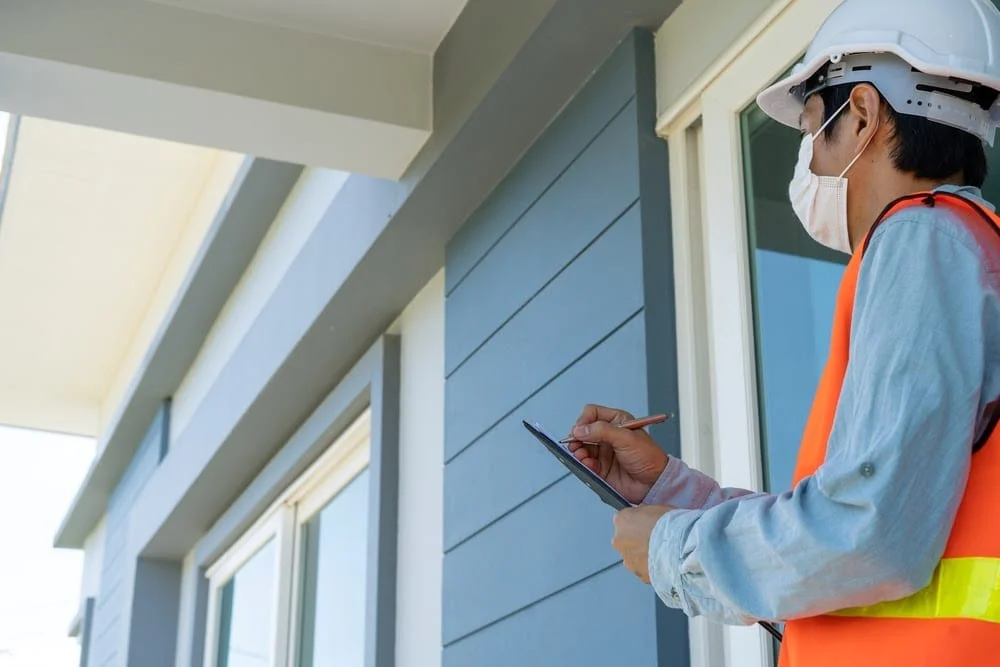
You’ve found your dream home. The offer is accepted. Now comes the home inspection – your chance to uncover hidden problems before you’re stuck with them.
A standard home inspection costs $300‑$500 and takes 2‑4 hours. But not all inspections are equal. In recent years, inspectors have added new checks: EV chargers, smart home systems, climate resilience, and more.
This guide provides a complete, room‑by‑room checklist of what inspectors look for. You’ll also learn which findings are deal‑breakers, which are negotiable, and how to use the inspection contingency to save money or walk away.
What Is a Home Inspection Contingency?
A contingency is a condition in your purchase contract. The home inspection contingency gives you the right to:
- Hire a licensed inspector to examine the property.
- Request repairs or a price reduction based on findings.
- Cancel the contract and get your earnest money back if you’re not satisfied.
Typical contingency period: 7‑14 days after offer acceptance.
Pro tip: Never waive the inspection contingency entirely – unless you’re a very experienced investor buying a tear‑down. Even then, it’s risky.
What a Standard Home Inspection Covers (Room by Room)
A good inspector will examine over 1,600 items. Here are the major categories:
Exterior
- Roof: Shingles, flashing, gutters, downspouts, chimney caps. Age and remaining life.
- Siding & trim: Rot, cracks, pest damage.
- Foundation: Cracks, settling, water intrusion.
- Windows & doors: Seals, operation, broken glass.
- Driveway & walkways: Cracking, heaving.
- Drainage: Grading away from foundation.
Interior
- Walls, ceilings, floors: Cracks, stains (water damage), levelness.
- Doors & windows: Operation, weatherstripping.
- Insulation: Attic and crawlspace depth, ventilation.
Plumbing
- Water heater: Age, leaks, temperature/pressure relief valve.
- Pipes: Material (copper, PEX, galvanized – galvanized is bad), leaks, water pressure.
- Fixtures: Sinks, toilets, showers – function and leaks.
- Sewer line: Optional scoping (highly recommended for older homes).
Electrical
- Service panel: Amperage (100A is minimum, 200A preferred), breakers, double‑tapping.
- Wiring: Aluminum wiring (fire hazard), knob‑and‑tube (uninsurable).
- Outlets & switches: GFCI in kitchens/bathrooms, grounding.
- EV chargers: New for 2020s – inspector checks for dedicated circuit and proper amperage.
HVAC (Heating, Ventilation, Air Conditioning)
- Furnace: Age, filter, heat exchanger cracks (carbon monoxide risk).
- AC condenser: Age, refrigerant levels, cooling differential.
- Ductwork: Leaks, insulation, cleanliness.
- Thermostat: Operation.
Appliances (if included)
- Dishwasher, oven, range, microwave, refrigerator, washer/dryer – test basic function.
Attic & Crawlspace
- Ventilation: Soffit and ridge vents.
- Mold or rot: Wood rot, fungal growth.
- Pest evidence: Termite tubes, rodent droppings.
New Inspection Items for Modern Homes
In the last few years, inspectors have added these checks:
1. EV Charger Readiness
- Is there a dedicated 240V circuit?
- Amperage (at least 30A recommended).
- Wiring gauge sufficient for continuous load.
2. Smart Home Systems
- Smart locks, thermostats, cameras, doorbells – test connectivity.
- Wiring for smart switches (neutral wire present?).
3. Climate Resilience
- Flood risk: FEMA’s new flood maps (many areas rezoned).
- Wildfire zone: Defensible space, ember‑resistant vents.
- Heat resilience: Attic radiant barriers, window coatings.
4. Radon Testing
- Not standard, but recommended. Radon is the #2 cause of lung cancer.
- Test costs $150‑$200. If levels above 4 pCi/L, mitigation costs $1,000‑$2,000.
Deal‑Breakers – Walk Away Immediately
These findings are expensive, dangerous, or uninsurable:
| Issue | Typical Repair Cost | Why It’s a Deal‑Breaker |
|---|---|---|
| Foundation settlement (major cracks, bowing walls) | $20,000‑$50,000 | Structural integrity |
| Active knob‑and‑tube wiring | $10,000‑$20,000 (rewire) | Fire hazard, uninsurable |
| Mold in walls/attic (toxic species) | $5,000‑$30,000 | Health, remediation cost |
| Sewer line collapse | $5,000‑$15,000 | Emergency repair |
| Roof with less than 3 years life | $10,000‑$20,000 | Immediate large expense |
| Termite damage to structural beams | $5,000‑$30,000 | Weakened structure |
| Underground oil tank (leaking) | $20,000‑$50,000 | Environmental cleanup |
If you see any of these, negotiate hard or walk.
Negotiable Items – Ask for Credits or Repairs
These are common but not fatal:
| Issue | Typical Negotiation |
|---|---|
| Old water heater (10+ years) | $1,000 credit |
| Single‑pane windows | $3,000‑$5,000 credit |
| Minor roof leaks (repairable) | $2,000 repair credit |
| Missing GFCI outlets | $500 credit |
| Poor grading | $1,500 credit for regrading |
| Radon above 4 pCi/L | $1,500 credit for mitigation |
Strategy: Ask for a closing cost credit rather than asking the seller to do repairs. Sellers often prefer credits because they don’t have to manage contractors. You get the work done after closing to your standard.
How to Negotiate After the Inspection
Step 1 – Get a repair estimate
Call 2‑3 contractors. Get written bids.
Step 2 – Prioritize
Separate safety/structural issues (non‑negotiable) from cosmetic/maintenance (nice to have).
Step 3 – Make a formal request
Use the Inspection Response form. Ask for:
- Specific repairs (with contractor names and completion dates)
- Or a closing cost credit (e.g., $5,000)
Step 4 – Be reasonable
Don’t ask for new paint because the color is ugly. Do ask for a working HVAC.
Step 5 – Know your walk‑away point
Decide in advance: “If seller refuses to fix X, I will cancel.”
Pro tip: In a seller’s market, sellers may refuse everything. You then decide: accept as‑is or walk. Always be willing to walk.
Specialized Inspections You Might Need
A standard inspection doesn’t cover everything. Consider these add‑ons:
- Sewer scope ($150‑$300) – Mandatory for homes built before 1980.
- Radon test ($150‑$200) – Required in many states (IL, PA, CO, etc.).
- Mold test ($300‑$600) – If you smell mustiness or see water stains.
- Termite/pest inspection ($100‑$200) – Required by most lenders in some states.
- Chimney inspection ($200‑$500) – If fireplace is used.
- Pool/spa inspection ($150‑$300) – If property has pool.
- Well & septic ($500‑$1,000) – For rural homes.
Total potential cost: $1,000‑$2,000. Worth every penny.
What If the Inspection Finds Nothing Major?
That’s great. But you still have a report with dozens of minor items (loose doorknobs, cracked outlet covers, etc.). Do not ask for these. Sellers will laugh. You’ll look like an amateur.
Instead: Use the report as a to‑do list for your first year of ownership.
Can You Waive the Inspection Contingency?
In a very hot market (multiple offers, bidding wars), some buyers waive the inspection contingency to make their offer stronger.
Risk: You buy the home as‑is. If you find $50,000 in foundation issues after closing, you pay for it.
Who should consider waiving:
- Investors buying a tear‑down.
- Buyers with large cash reserves.
- New construction with a builder warranty.
Who should never waive:
- First‑time buyers.
- Anyone on a tight budget.
- Anyone buying a home older than 20 years.
Middle ground: Waive the contingency but keep the right to inspect (you can still walk, but you can’t negotiate repairs). Or set a high dollar threshold – “Seller will pay for repairs over $5,000.”
Conclusion
A home inspection is your best protection against buying a money pit. Use the checklist above to understand what inspectors look for. Focus on safety and structural issues. Negotiate for credits, not petty repairs. And never waive the contingency unless you have deep pockets and high risk tolerance.
Ready to make an offer? Countrywide Collective can recommend licensed, thorough home inspectors in your area. We’ll also help you negotiate inspection findings like a pro.